Mineral brings together the work of the 2025/26 Design Researchers in Residence.
Their projects interrogate the UK’s intersecting mineral landscapes, focusing on lithium, copper, silica and chalk.
The research spans the UK: from active mines in Cornwall’s ‘Clay Country’ to historic sites of extraction in Anglesey, Wales; from factory furnaces in North London and Sunderland to chalk aquifers and dew ponds across southern and eastern England.


Together, the projects ask:
Should the ‘green transition’ be sustained through the continued extraction of finite resources?


How can design research help navigate the UK’s dependence on minerals?


Collectively, the displayed work explores how community consultation, landscape restoration, material reuse and alternative forms of resource management might help reshape our relationships with extraction.
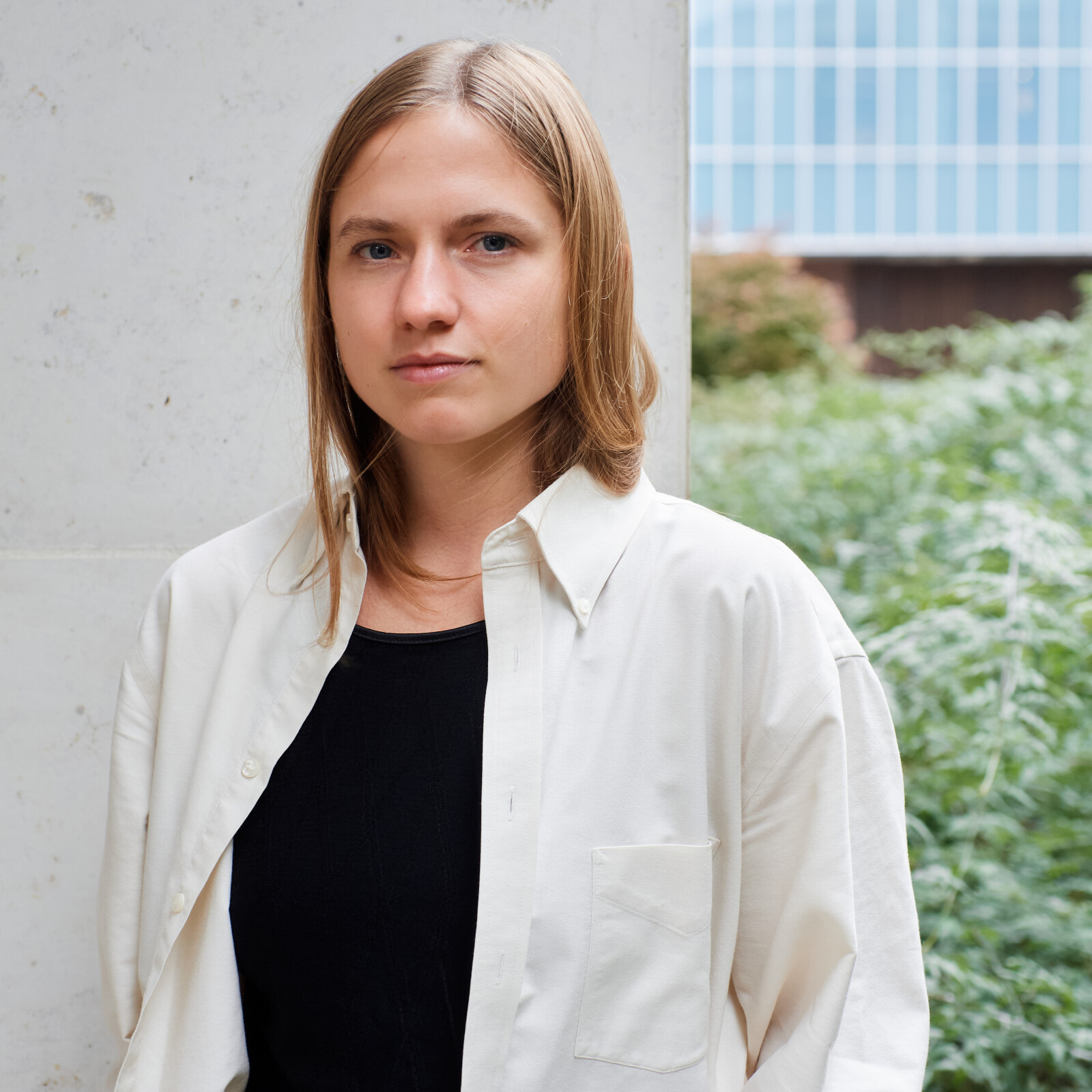
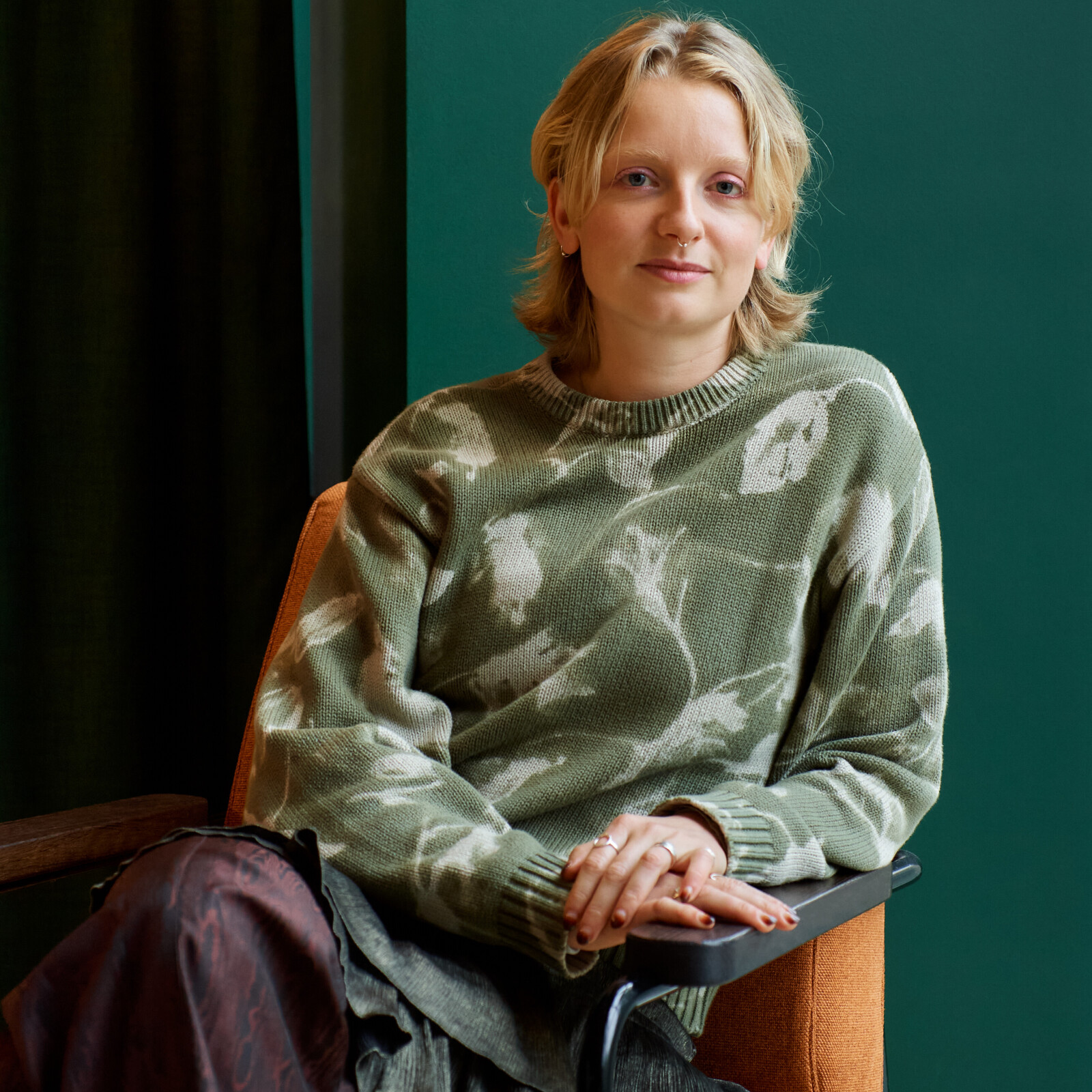
The 2025/26 Design Researchers in Residence are Alfred Yatlong Yeung, Elise Limon, Rafael El Baz and Rosa Whiteley.

Alfred Yatlong Yeung: A Lithium Horizon
What does it mean to reopen a mine?
Alfred’s research investigates the Cornish mining revival through the lens of Trelavour. Decommissioned in the 1940s, this china clay mine will soon be repurposed for lithium extraction.
His research proposes the reopening of mines as a strategic opportunity for landscape redesign in consultation with local communities. He frames historic mines as rich social terrains and future mines as opportunities for planning authorities to nurture resilience.
Rosa Whiteley: Chalkophiles
Rosa’s research focuses on England’s chalk aquifers. These underground reservoirs supply millions of people with water and sustain 85% of the world’s chalk streams – rare and rich ecosystems that rely on their waters.
Increasingly, these systems are threatened by water privatisation, which is damaging the ecological relationships across aquifers, rivers and skies. By researching historic dew ponds – man-made ponds found on high ground in chalky landscapes – Rosa proposes collective pond building as ways to counter the impacts of privatisation. In doing so, she reframes the aquifer as a shared living system rather than a store of financial value.
Rafael El Baz: In the Presence of Heat
Rafael interrogates our assumptions around silica, from its transformation into glass to the design industry’s obsession with purity and perfection.
Starting in Sunderland, the historic home of Pyrex, his research examines the UK's post-industrial glass manufacturing landscapes and its impact on communities. Using silica waste from North London factories as his starting point, he investigates how discarded material can be reintroduced into the industrial process. He shows how waste can be reclaimed as a carrier of industrial narrative and a building block for future construction.
Elise Limon: Slow Ore
The technologies of the energy transition rely on copper. As demand grows, former mines across the UK are being reconsidered as sources of critical minerals. Elise asks whether these landscapes can instead become sites of ecological repair and collective stewardship.
Her research considers the long-term implications of copper mining infrastructure by studying the afterlife of mining at Parys Mountain in Northern Wales. Though unused for a century, the site remains a toxic, acidic landscape contaminated by heavy metals.